Common Insulation Mistakes and How to Avoid Them
Installing more insulation may seem like a straightforward way to improve your home's comfort and energy efficiency, but the quality of the installation matters just as much as the material you choose.
Common insulation mistakes include skipping air sealing, choosing the wrong material, compressing insulation, leaving gaps, blocking attic ventilation, and installing new material over damaged insulation. Any of these issues can keep an insulation upgrade from performing as intended.
For Kansas City homeowners, getting these details right is especially important. Your home has to handle hot summers, cold winters, and significant temperature changes throughout the year.
Before you start an insulation project, here are seven common mistakes to watch for and practical ways to avoid them.

Adding Insulation Without Addressing Air Leaks
One of the biggest insulation mistakes is assuming insulation and air sealing do the same job.
They do not.
Insulation helps slow heat transfer. Air sealing helps stop unwanted air movement through gaps, cracks, and openings in your home's building envelope.
Imagine putting on a warm winter coat but leaving the zipper open. The coat still provides insulation, but cold air can move through the opening. A similar problem can occur in an attic when insulation is installed over significant air leaks.
Common areas for air leakage can include:
- Attic access openings
- Plumbing penetrations
- Electrical penetrations
- Gaps around framing
- Recessed lighting
- Openings around ducts and other mechanical components
If these areas are accessible, evaluating them before adding insulation can make sense because they may become more difficult to reach afterward.
How to Avoid This Mistake
Do not assume adding another layer of insulation will solve every draft or comfort problem.
Have the home evaluated for air leakage first. Depending on what is found, air sealing and insulation may need to work together to improve the overall performance of the space.
Choosing the Wrong Type of Insulation
There is no single insulation material that is automatically the best option for every part of every home.
Fiberglass may make sense for one application, while cellulose, spray foam, mineral wool, or another product may be better suited to a different project.
The right choice can depend on factors such as:
- Where the insulation will be installed
- Available space
- Existing construction
- Moisture conditions
- Desired R-value
- Air-sealing needs
- Sound-control goals
- Whether existing insulation is already present
Choosing insulation based solely on price, familiarity, or a recommendation that worked for someone else's house can lead to disappointing results.
How to Avoid This Mistake
Start with the space you need to insulate and what you are trying to accomplish.
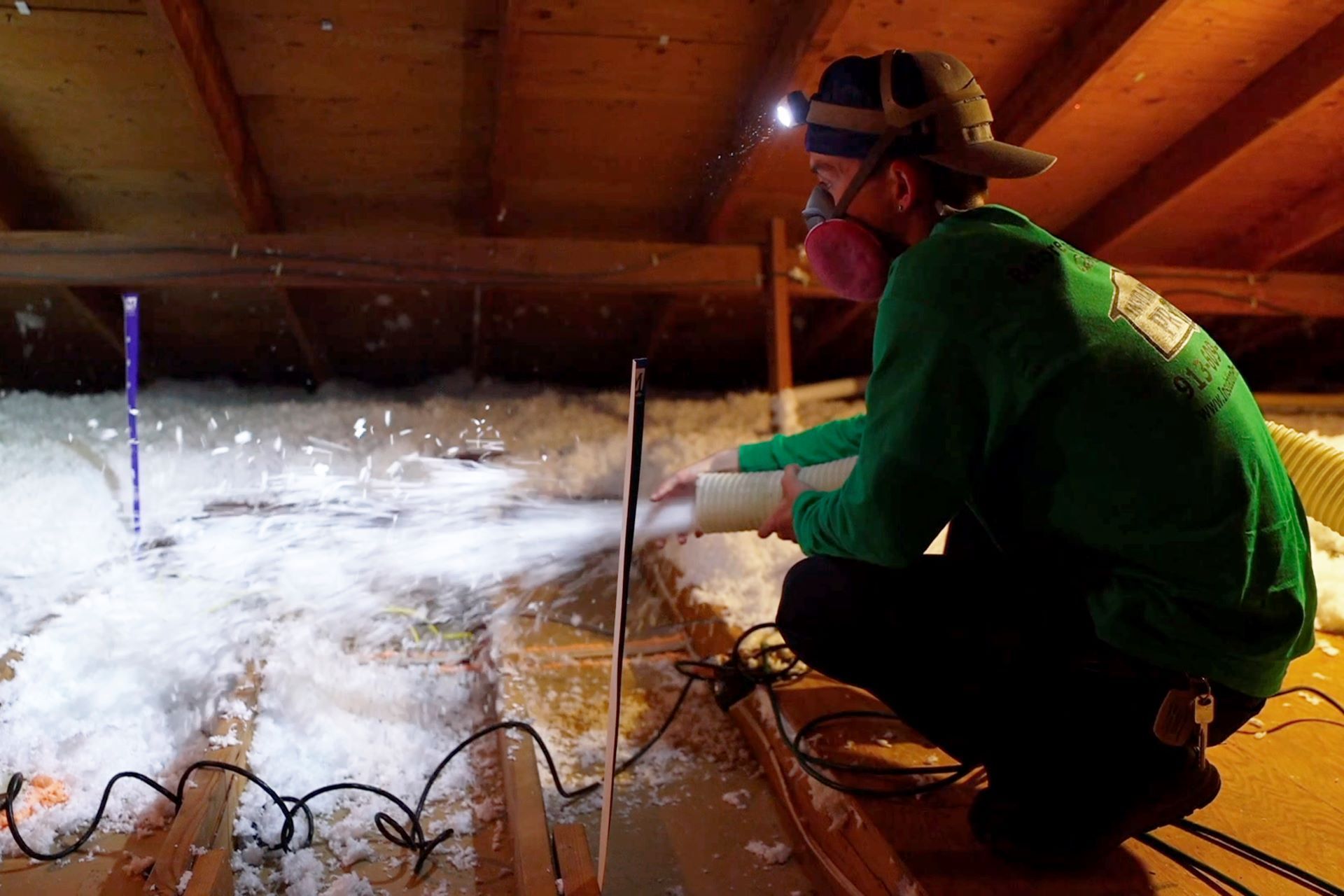
Insulation Pros works with fiberglass, cellulose, spray foam, mineral wool, sheep wool, denim, radiant barrier, and blow-in blanket insulation. Each option has characteristics that can make it useful for different applications.
Compressing Insulation or Leaving Gaps
Proper coverage matters.
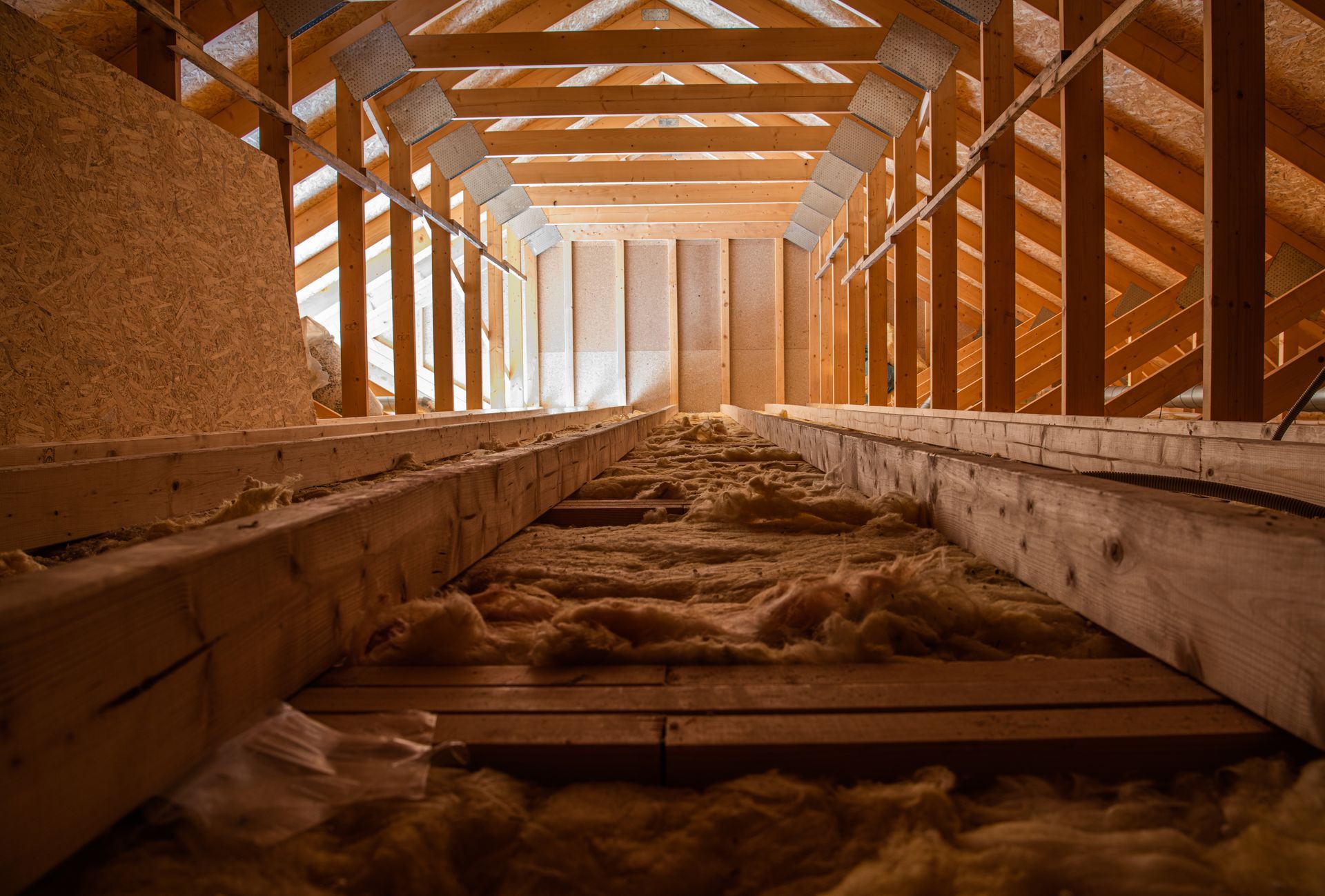
Insulation that is compressed, bunched up, poorly fitted, or installed with gaps may not provide the performance you expect.
This is particularly important when working around:
- Electrical boxes
- Wiring
- Pipes
- Framing
- Corners
- Narrow cavities
- Other obstructions
Trying to force insulation into a space without fitting it properly can create compressed sections. On the other hand, cutting or placing material carelessly can leave empty areas.
Both situations can create weak spots in the thermal barrier.
How to Avoid This Mistake
Install insulation according to the requirements for that particular product and application.
The goal is consistent coverage at the appropriate thickness without unnecessary compression, gaps, or voids.
Pay particular attention to corners, edges, joints, and areas around obstructions. These details may not seem significant when looking at an entire attic or wall, but they can affect how consistently the insulation performs.
Blocking Attic Ventilation
When homeowners think about attic efficiency, their first instinct may be to add as much insulation as possible.
More is not always better if the installation interferes with how the attic is designed to function.
Attic insulation and ventilation serve different purposes, and both need to be considered during an upgrade. Insulation installed in the wrong place can potentially interfere with intended airflow, including around soffit vents.
Kansas City homes experience major seasonal temperature swings, making proper attic performance especially important throughout the year.
How to Avoid This Mistake
Before adding attic insulation, identify how the attic is ventilated and make sure the installation does not interfere with required airflow.
Ventilation conditions should be considered along with insulation depth, coverage, moisture conditions, and air leakage.
Installing New Insulation Over Moisture or Pest Problems
Can you install new insulation over old insulation?
Sometimes.
But adding new material over insulation that is wet, contaminated, or significantly damaged can hide an existing problem instead of fixing it.
Old insulation can be affected by:
- Roof or plumbing leaks
- Excess moisture
- Rodents and other pests
- Mold or mildew concerns
- Fire or smoke damage
- Physical disturbance
- Contamination
- Significant deterioration
Simply covering damaged insulation with a fresh layer does not address what caused the damage.
For example, if a roof leak is making attic insulation wet, the source of that moisture needs attention before the insulation project moves forward.
How to Avoid This Mistake
Inspect existing insulation before adding anything over it.
If you find moisture, pest activity, unusual odors, contamination, or visible damage, determine the cause first.
Some existing insulation can remain in place when it is clean, dry, and in suitable condition. The condition of the existing insulation should guide the decision.
Assuming More Insulation Will Fix Every Comfort Problem
A cold bedroom or hot second floor does not automatically mean you need more insulation.
Insulation can play an important role in indoor comfort, but it is one part of a larger system.
Comfort problems may also involve:
- Air leakage
- Ductwork
- HVAC performance
- Attic ventilation
- Moisture
- Windows and doors
- Uneven existing insulation
- Other parts of the building envelope
Adding insulation without identifying the actual source of the problem can mean spending money without addressing the underlying issue.
How to Avoid This Mistake
Diagnose first and make improvements second.
Look at where the problem occurs, when it happens, and what other symptoms are present.
Is one room uncomfortable year-round?
Does the upstairs become particularly hot in summer?
Are your utility bills climbing?
Do you feel drafts near certain walls or ceilings?
Is your existing attic insulation visibly thin or uneven?
These details can help narrow down what is happening.
A professional assessment can provide a clearer picture of where your home may be losing energy and whether insulation, air sealing, or another improvement deserves attention.
Avoid Insulation Mistakes With the Right Plan
A successful insulation project starts with understanding what your home actually needs.
Adding insulation without addressing air leaks, covering damaged material, blocking ventilation, or using the wrong insulation for the application can keep an otherwise promising upgrade from performing as intended.
Insulation Pros is a veteran-owned and family-operated insulation contractor serving homeowners throughout the Kansas City area. We work with a wide range of insulation materials and can evaluate your existing insulation before recommending the next step.
Whether your home needs additional insulation, air sealing, removal of damaged material, or a new insulation system, our goal is to help you make an informed decision based on the conditions in your home.
Schedule a consultation today!
Book a Service Today
Recent Posts


Owned
Veteran Owned and Family Operated
Team
Experienced Team at Insulation Pros
Free Quote
Our team offers free estimates
Service
#1 Customer Rated in Kansas City